Streaming Ate the Movie Star and Nobody's Talking About It
There used to be a very specific cultural ritual around a certain kind of Friday night. A new film opens. It stars someone whose name means something — not just someone recognizable, but someone whose presence in a movie felt like a reason to show up. The opening weekend numbers roll in, and they tell a story about who still has that gravitational pull on the American public.
That ritual still technically exists. But the meaning behind it has been quietly hollowed out, and I think we're only now starting to reckon with what that actually means.
What 'Movie Star' Used to Mean
Before we can talk about what's been lost, we need to be honest about what the movie star actually was. It wasn't just fame. Plenty of people are famous. The movie star was a specific kind of commercial entity — someone whose attachment to a project functioned as a financial guarantee. Studios greenlit films because of names. Distributors took risks because of names. Audiences made decisions based on names.
Tom Hanks in the 1990s. Julia Roberts at her peak. Will Smith before the wheels came off. These weren't just popular people. They were reliable economic engines, and the industry was structured around their bankability in a very specific way.
That structure has largely dissolved. And streaming is the reason.
The Netflix Effect Nobody Wanted to Admit
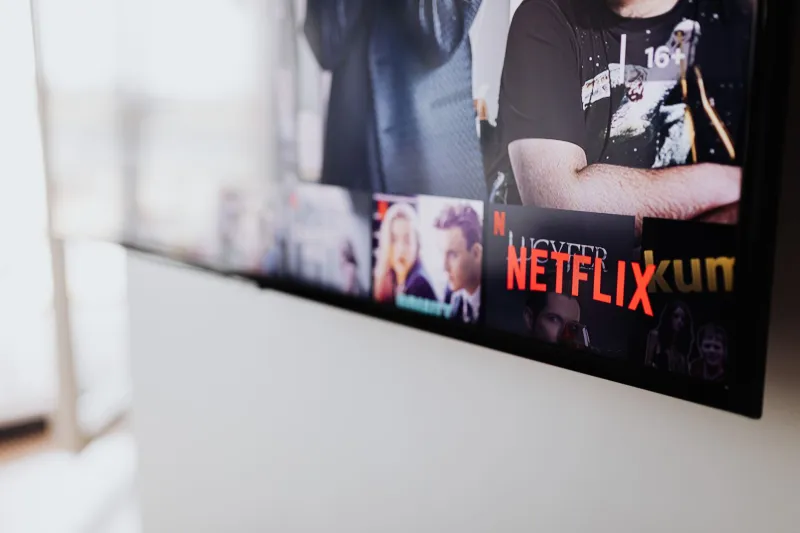
When Netflix started throwing serious money at talent, the initial read was that this was a good thing for actors. More opportunities. More creative freedom. Bigger paychecks for projects that didn't have to worry about theatrical performance metrics. And in the short term, that was genuinely true.
But here's what nobody was paying close enough attention to: streaming success doesn't translate into the same kind of cultural currency that theatrical success does. A film that opens to $80 million in its first weekend is a measurable, public event. Everyone knows about it. The discourse is immediate and shared. A Netflix film that gets watched by 40 million households in its first week generates a press release and then... largely disappears.
Netflix doesn't release traditional viewership numbers in any format that allows meaningful comparison. There's no shared reference point. There's no collective experience of showing up somewhere and participating in something. The film exists, people watch it, and then the algorithm moves on.
For movie stars, this matters enormously. Their power was always partly about the event of their presence. Streaming made the event invisible.
Why A-Listers Are Flooding Prestige TV
Look at what's happened over the last five years. Nicole Kidman built a second act in television. Cate Blanchett won a Golden Globe for Mrs. America. Matthew McConaughey did True Detective. Meryl Streep joined Only Murders in the Building. These are not desperate moves by fading stars. These are calculated pivots by people smart enough to read the room.
Prestige television — particularly limited series — now offers something theatrical films increasingly can't: a sustained cultural conversation. A great limited series runs for six to eight episodes, generates weekly discourse, builds genuine audience investment, and creates the kind of sustained attention that a two-hour film simply cannot manufacture in the current environment.
The Emmy stage has become as prestigious as the Oscar stage, at least in terms of the cultural signal it sends. That's a seismic shift, and it happened faster than most industry veterans expected.
The Attention Economy Doesn't Respect Your Billing
Here's the part that I think is genuinely underappreciated: when everyone is competing for attention on the same platforms, the traditional celebrity hierarchy becomes almost meaningless.
On Netflix, a prestige drama starring a three-time Oscar winner sits in the same interface as a reality dating show and a cooking competition. The algorithm doesn't care about critical pedigree. It cares about engagement signals — what people click on, how long they watch, whether they come back. A genuinely talented actor with a dedicated fanbase can generate better metrics than a certified A-lister whose film doesn't connect emotionally with the platform's core audience.
This is disorienting for an industry that built its entire power structure around a rigid hierarchy of talent. It's also, if we're being honest, kind of interesting. The meritocracy of attention is brutal, but it's more honest than a system where certain names get greenlit regardless of whether the project actually deserves to exist.
What We Actually Lost
I want to be careful here, because there's a version of this argument that tips into pure nostalgia, and I don't think that's useful. The old system had plenty of problems. It was exclusionary in ways that kept enormous amounts of talent on the margins. It rewarded a very specific kind of bankability that often had more to do with demographics than actual quality.
But there was something genuinely valuable about the shared cultural experience of the movie star. When a Tom Hanks film opened, it was a communal event in a way that almost nothing in streaming can replicate. The collective anticipation, the shared reaction, the sense that this thing was happening to all of us at the same time — that has real cultural value, and it's largely gone.
Streaming replaced it with something more individualized, more algorithmically tailored, and ultimately more isolating. We watch more than ever. We watch it alone, at different times, and we often can't even have a conversation about it because the person we're talking to is three episodes behind or hasn't started it yet.
Where This Goes From Here
I don't think the movie star is coming back in its original form. The economic and technological conditions that created it no longer exist, and wishing otherwise is a waste of energy.
What I do think is possible is a new version of stardom that's more honest about what it actually is — influence built through sustained quality work across multiple platforms, rather than a single theatrical opening weekend that either validates or destroys you. Some actors are already navigating this successfully. The ones who are struggling are the ones still trying to operate by the old rules in a system that no longer runs on them.
The streaming wars didn't just change where we watch movies. They changed what it means to be famous. We're still figuring out what that means — and honestly, so is Hollywood.