You Already Watched This Movie: The Two-Minute Trailer That Ruined the Two-Hour One
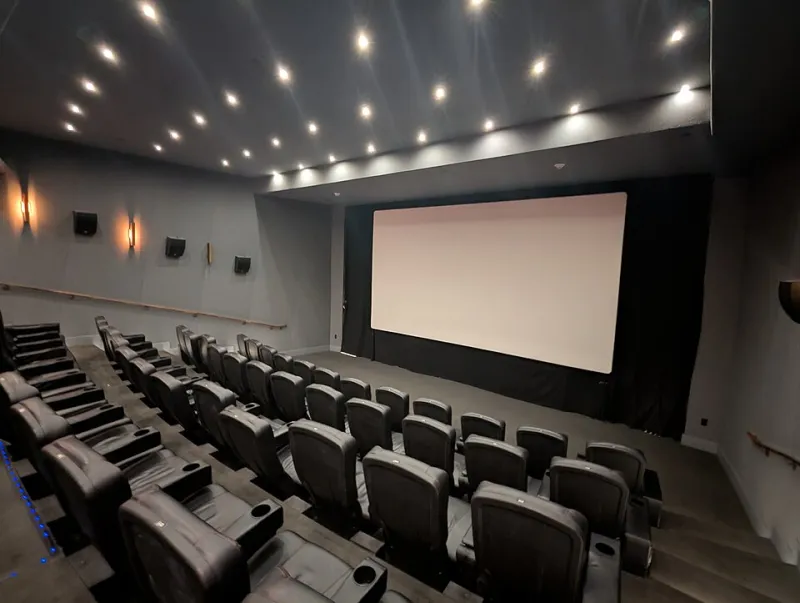
Photo: Sdkb, CC BY-SA 4.0, via Wikimedia Commons
There's a specific flavor of disappointment that only exists in a multiplex parking lot at 10:40 on a Friday night. You paid $19, sat through twenty-two minutes of ads, and walked out having seen a movie you'd already seen — not because you're a rewatcher, but because the trailer showed it to you in June.
We keep talking about this like it's an accident. A sloppy intern, a leak, a reddit thread that got out of hand. It isn't. Trailers are the single most-tested piece of marketing a studio makes, focus-grouped and A/B'd and re-cut until the numbers move. Somebody watched a version that gave away the third act and said: yes, that one. That one converts.
The two-minute movie, engineered for the thumbnail
A modern trailer isn't an advertisement for a film. It's a short film about the film, built to be watched on mute in a social feed, and it has its own three-act structure — the hook, the escalation, the money shot. That money shot is the problem. It has to be the biggest thing in the movie, because that's the frame that gets clipped, screenshotted, and reposted without context. So the biggest thing in the movie stops being a moment in the story and becomes a thumbnail asset. If that's the villain reveal, the villain gets revealed. If that's the returning character, the returning character walks out of the fog in a trailer that runs before the movie it's supposed to protect.
We've been here before. Terminator Salvation gave away its John Connor twist in marketing. Batman v Superman put Doomsday in the trailer like a guy showing you his poker hand. Cast Away spent months advertising a movie about a man getting off the island, which is roughly the last thing that happens. The studios know this pattern. They keep doing it because the trailer isn't graded on whether you enjoy the movie. It's graded on whether you buy a ticket to a movie that looked like the trailer.
The surprise cameo that got its own poster
Somewhere along the line, the surprise became too valuable to keep a surprise. A returning actor in a legacy sequel is now an announcement, a press cycle, a cast-list reveal, a teaser-within-a-teaser. The studios will tell you the secrecy was impossible — that the trades report everything, that paparazzi exist, that fans demand to know. But there's a difference between failing to hide something and printing it on the napkins. One is a leak. The other is a strategy.
And notice who gets blamed. When audiences complain, the response is always some version of well, you watched the trailer, that's on you. Which is a remarkable piece of rhetorical jiu-jitsu: build a marketing machine that treats a plot point as a selling point, then hand the audience the bill for the spoiler they were served. If you deliberately avoid all marketing in 2026, you also avoid knowing a movie exists. That's not a real choice.
We did build the machine, though
Let's be fair, because I hate an unfair take more than I hate a bad trailer. The ecosystem rewards this. Frame-by-frame breakdowns of a two-minute spot get millions of views. Reaction channels exist to be surprised and then to explain why they weren't surprised. A trailer drop is a news event, which means a trailer is news, which means it has to contain information, which means it has to contain the information. We click. We pause. We zoom in on a blurry shoulder in the background and post the screenshot with three exclamation points.
But here's the thing: audience appetite isn't a license to overfeed. People will eat an entire bag of chips if you leave it open on the counter and then feel lousy about it. That's not a mystery of human behavior, that's a packaging decision.
What a spoiled movie actually costs
The damage isn't just surprise, which is the argument everyone makes. Surprise is cheap. Tension is expensive. When you know how the set piece ends because you saw the good eleven seconds of it in April, the set piece stops being suspense and becomes a screensaver — technically impressive, emotionally flat, waiting for you to get to the part you already bought. Comedy gets hit even harder. When the four funniest jokes in a 100-minute movie are the four jokes in the trailer, the theatrical experience becomes a blooper reel wrapped around them, and everyone in the room is politely waiting for the ones they know.
And endings, which are the entire point of storytelling, get hollowed out. If you know the reconciliation happens, the ninety minutes of estrangement stop working. You're not watching people struggle. You're watching people delay.
The fix that nobody will take
Show less. Cut shorter. Trust the movie to sell itself once people are in the room. A handful of campaigns have actually tried it — minimal footage, mood over plot, a teaser that teases — and mostly they worked, which is the frustrating part. The expensive, over-explaining trailer isn't even reliably the better one. It's just the one that produces a metric the marketing department can defend in a meeting.
So we'll get another summer of trailers that hand you the ending, another round of audiences filing out saying it was fine, I guess, and another round of executives wondering why word of mouth is soft on a movie with a huge opening. They sold the ticket. They just sold it a little too well.